Why is it important to remember the National Internment Commemoration Day?
Oct 14, 2025 | Featured, Politics
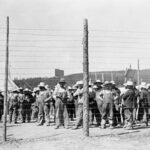
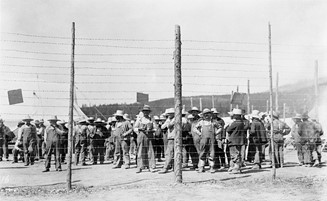
Castle Mountain Internment Camp, Banff National Park
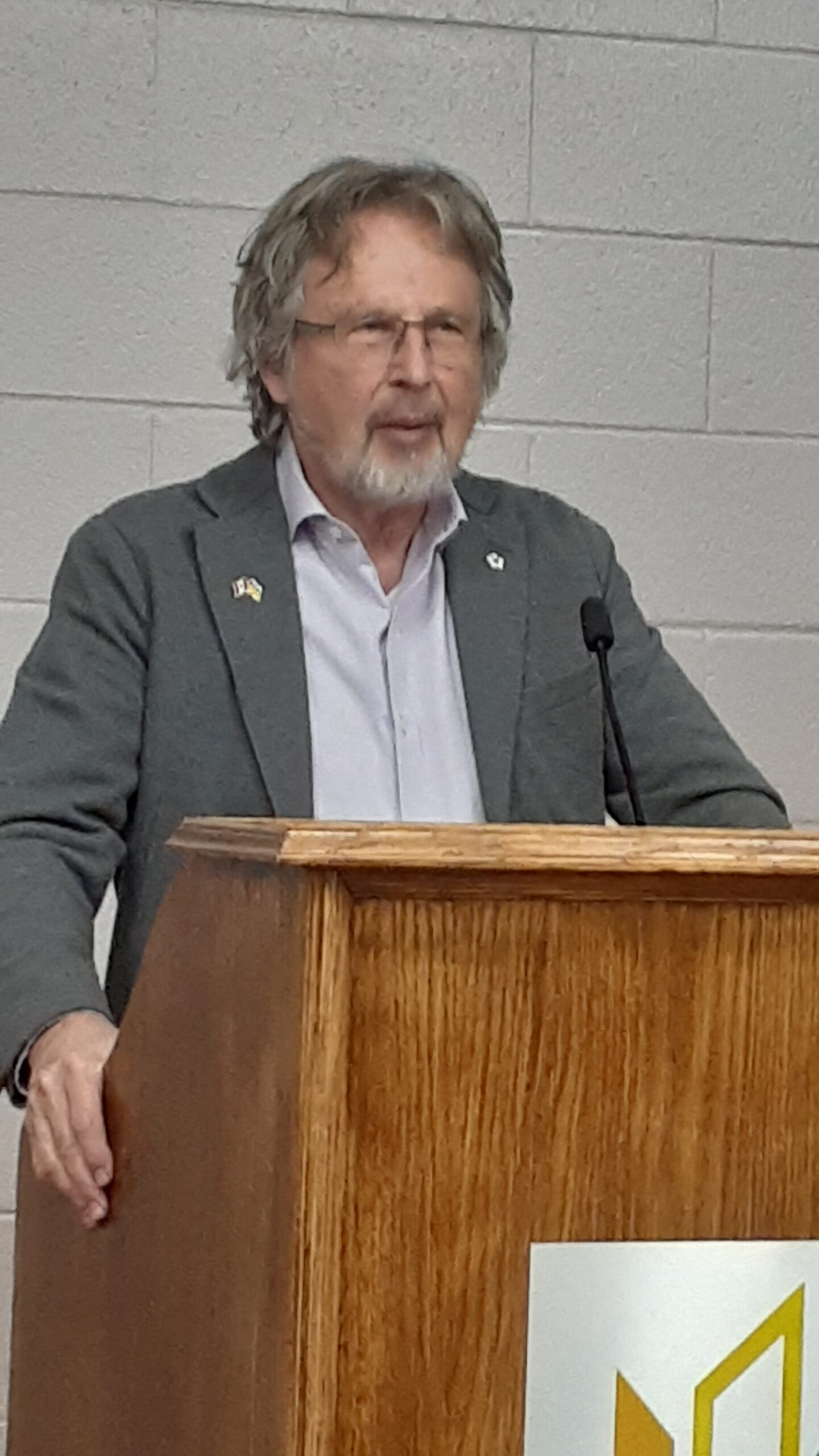
Borys Sydoruk, Chair, UCC National Internment Committee.
The War Measures Act, enacted on August 22, 1914, gave the Canadian government sweeping powers to conduct WWI. On October 28, 1914, an order-in-council provided the government with the authority to intern civilians as prisoners of war. Categorized as “enemy aliens,” 8,579 immigrants from the multinational Austro-Hungarian, German and Ottoman empires and from the Kingdom of Bulgaria were held in 24 “receiving stations” and internment camps across the country. Most of the civilian internees came from the western Ukrainian regions of Halychyna, Bukovyna and Zakarpatia and were labeled as “second class” prisoners of war. The last camps closed in February 1920 and Canada’s first national internment operations officially ended on June 20, 1920.
Held in 24 receiving stations and internment camps across the country — from Nanaimo, BC to Halifax, NS — these “second class” prisoners of war (POWs) were generally separated from “first class” German and Austrian POWs. Many were transported into the country’s frontier wildernesses and obliged to work for the profit of their jailers. Personal wealth and property were confiscated, not all of which was returned on parole or following the end of the internment operations.
Canada’s first national internment operations were shaped by pre-war prejudices that were exacerbated by wartime xenophobia. Between 1891 and the outbreak of the First World War, some 170,000 Ukrainian immigrants arrived in Canada, lured to the Dominion with promises of freedom and free land.
On October 28th, National Internment Commemoration Day, we remember the victims of this injustice and commit ourselves to ending oppression around the world. As we pay tribute to the victims of Canada’s First World War Internment Operations, we reaffirm our commitment to the principles of freedom and the dignity of all human beings – principles upon which our great country is built.
By acknowledging that as Canadians we sometimes fail to adhere to our highest principles – we remind ourselves that we have a shared responsibility to ensure justice for all the citizens of Canada and all the world’s peoples.
In 2014, the UCC Internment Committee’s resolution to have October 28th of every year to be the National Internment Commemoration Day was passed. For those UCC Branches who have planned Internment commemorations this week, I thank you. To all UCC Provincial Councils and UCC Branches who have not, please start planning your commemoration and education activities for National Internment Commemoration Day for 2025. If we do not educate and commemorate Canada’s first national internment operations to our Ukrainian Canadian communities, then we cannot expect the general Canadian community to know this unfortunate period of Canadian history.
If you need assistance in planning your UCC Branch's Internment commemorations, please do not hesitate to contact me at bsydoruk@telus.net
Reflecting on how the civil liberties of so many Canadians were revoked on two subsequent occasions — during the Second World War and the 1970 October Crisis — a child survivor of the Spirit Lake internment camp in northern Quebec, Mary Manko Haskett, reflected:
“What was done to us was wrong. Because no one bothered to remember or learn about the wrong that was done to us it was done to others again, and yet again. Maybe there’s an even greater wrong in that.”
Share on Social Media