Pro-Russian parties are gaining traction across Europe
By Marco Levytsky, Editorial Writer
There is an increasingly ominous trend developing across Europe as more and more far right and far left parties that reject assistance for Ukraine in its existential struggle for survival gain support. This support stems from a combination of economic anxiety, immigration concerns, and disillusionment with traditional political elites. The extremist parties offer simple, nationalist solutions to complex problems, which resonate with frustrated voters. In addition, Russian state-sponsored propaganda, troll farms, and proxy media outlets fuel the flames of discontent and turmoil with outright lies that are treated as gospel truth.
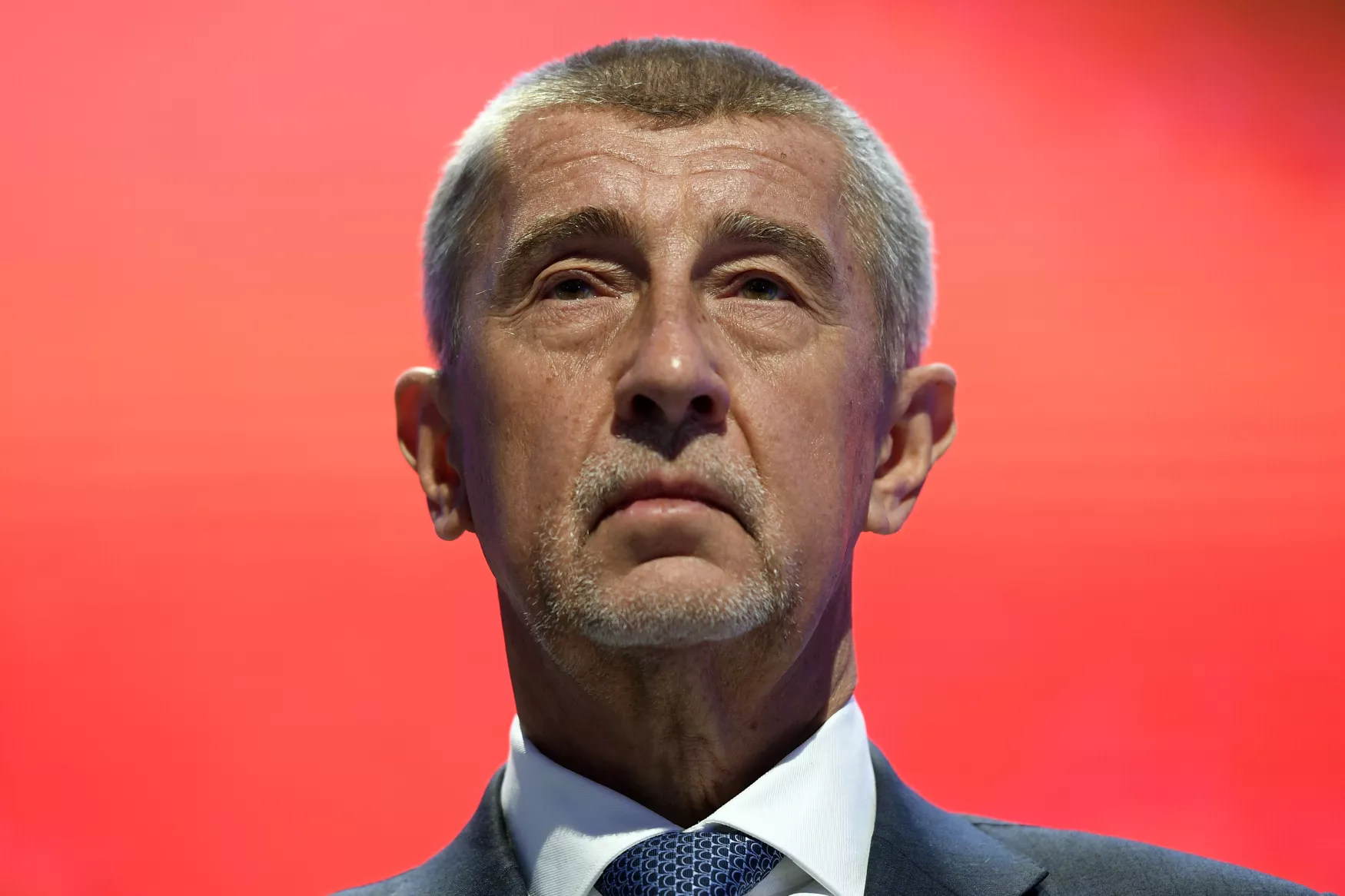
The latest victory for the pro-Russian forces came in the October 4 Czech parliamentary election, which gave the largest number of votes to the far-right ANO (meaning “Yes” in Czech) Party, which took 80 seats in the 200-seat legislature.
Led by billionaire Andrej Babiš, ANO ran on a platform that included anti-Ukrainian positions, particularly opposing military aid to Ukraine.
Among the anti-Ukrainian planks in Ano’s platform are the following:
Opposition to military aid: Babiš pledged to halt Czech military assistance to Ukraine, framing himself as a “peacemonger” and calling for a truce in the conflict.
Criticism of pro-Ukraine leadership: He mocked outgoing Prime Minister Petr Fiala for being “a better prime minister of Ukraine than of Czechia,” highlighting his disapproval of Czechia’s active support for Ukraine.
Withdrawal from Czech-led arms initiative: ANO proposed abandoning a Czech initiative that procured artillery shells for Ukraine from outside the EU.
Alignment with pro-Russian EU factions: Co-founded the Patriots for Europe bloc in the European Parliament alongside Hungary’s Fidesz and France’s Rassemblement National (National Rally), both known for pro-Russian sympathies.::
He reiterated his position on October 8 stating: “We will not give Ukraine a single crown from our budget for weapons.” However, he did agree to allow Czech arms companies to continue exporting to Ukraine, providing they are paid for. On October 11, Babiš announced that he had reached a coalition agreement with the far-right Freedom and Direct Democracy Party (SPD) and the right-wing Motorists party, giving him a majority of 108 seats. The SPD is even more anti-Ukrainian than ANO and has made restricting the rights of Ukrainian refugees a key part of its platform ahead of the elections. Its leader, Tomio Okamura has stated that the party would seek to cancel residence permits for Ukrainians who arrived after Russia’s invasion began, allowing only Ukrainians working in low-paid or physically demanding jobs that are unpopular among Czechs to remain.
With ANO’s victory, Czechia now joins Hungary and Slovakia in the EU’s pro-Russian camp. Quite ironically all three countries suffered under Communist rule before 1989 and were invaded by Soviet troops in 1956 and 1968. However, both Fico and Babiš were members of the Communist Party of Czechoslovakia before 1989.
Not all far-right European governments are pro-Russian, however. The most notable exception is Italy, whose Prime Minister, Giorgia Meloni, has consistently backed Kyiv both politically and militarily since taking office in October 2022. Her government has supplied Ukraine with significant military assistance, including the SAMP/T air defense system, and continues to provide logistical and financial support. But this is the exception that proves the rule.
The pro-Russian movement is growing even in some of the countries that have been the most steadfast supporters of Ukraine. In Poland, the far-right Confederation party led Sławomir Mentzen, has gained attention for its openly anti-Ukrainian stance. This position has gained prominence in the lead-up to Poland’s presidential elections, where Mentzen has surged in popularity, polling around 19% in the first round. In France, the centrist government has collapsed once again in a parliament polarized between the far left and far right, and current polling shows Marine Le Pen’s hard-right and pro-Russian National Rally with 32 percent, and Jean-Luc Mélenchon’s hard-left and also pro-Russian La France Insoumise with 25 percent. President Emmanuel Macron’s centrists are trailing with 15 per cent. The next presidential election is scheduled for 2027 and is expected to conclude with a second-round runoff between the two extremes.
In Germany, the far-right, pro-Russian Alternative for Germany (AfD), now the largest opposition party in the Bundestag, is steadily gaining support, with some polls suggesting that it has pulled ahead of Chancellor Friedrich Merz's conservative Christian Democratic Union (CDU) and its allied Bavarian Christian Social Union (CSU).
Even in the United Kingdom the pro-Russian far-right Reform UK has been surging in the polls. It has maintained a consistent lead in national polls since May 2025. A BMG Research poll in late August 2025 showed Reform at 35%, its highest-ever share, with Labour trailing at 20%. Last month’s YouGov MRP poll predicted Reform would win 311 seats, making it the largest party in a hung parliament and just shy of a majority.
Reform UK’s leader Nigel Farage has publicly stated that he admires Vladimir Putin as a political “operator”, has repeatedly argued that NATO and EU expansion provoked Russia’s invasion of Ukraine and has appeared multiple times on RT (Russia Today), a state-funded Russian outlet known for spreading disinformation. Nathan Gill, who briefly led Reform UK in Wales in 2021, pleaded guilty to eight counts of bribery for accepting payments to promote pro-Russian views, while Chris Harborne, Reform UK’s largest donor, has been linked to offshore financial networks and industries with known Russian involvement, such as aviation fuel and cryptocurrency.
While the moderate parties that have dominated European politics in the past must bear some responsibility for the disillusionment of many voters, the rise of far-right and far-left alternatives reflects what amounts to growing xenophobia, marked by the predominance of self-interest over all moral concerns. They want to eliminate sanctions, have easy access to Russian gas and to stop giving money to a country fighting for its very survival against a genocidal enemy. They ignore the fact that the poorest country in Europe is not only paying with its scant financial resources but with human lives—the lives of men, women and children. And, as Ukrainians endure horrendous sacrifices while bravely standing up to a rapacious enemy, they are saving the rest of Europe from an enemy who, if not stopped, will one day impose its dictatorial rule upon them as well. Meanwhile, that Russian enemy is fueling these extremist parties who really are enemies within European countries and seek to undermine their support for Ukraine, and along with that, undermine Europe itself.
Share on Social Media