Alberta government to review possibilities for Ukrainian refugees
Oct 2, 2025 | Canada, Featured
NP-UN Western Bureau
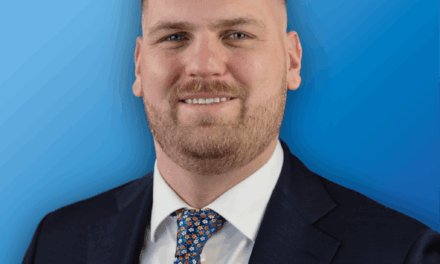
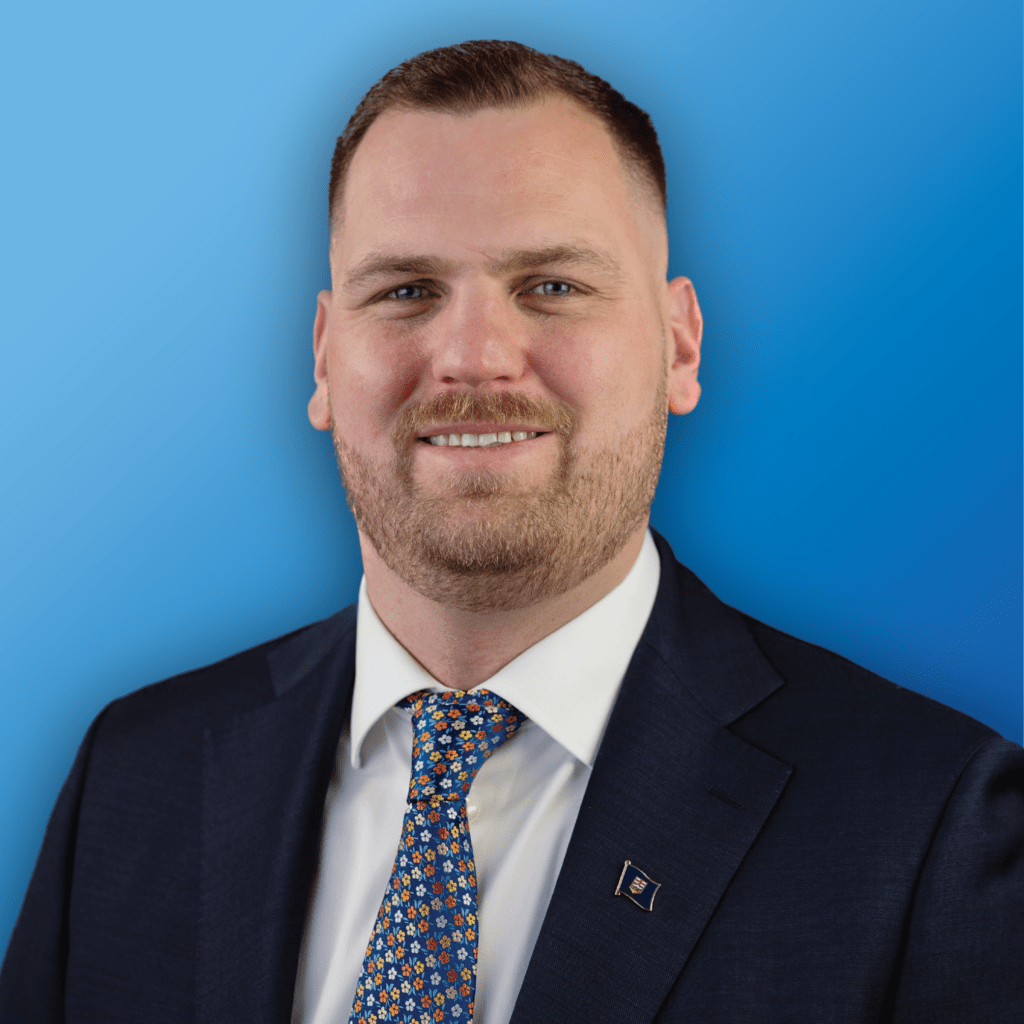
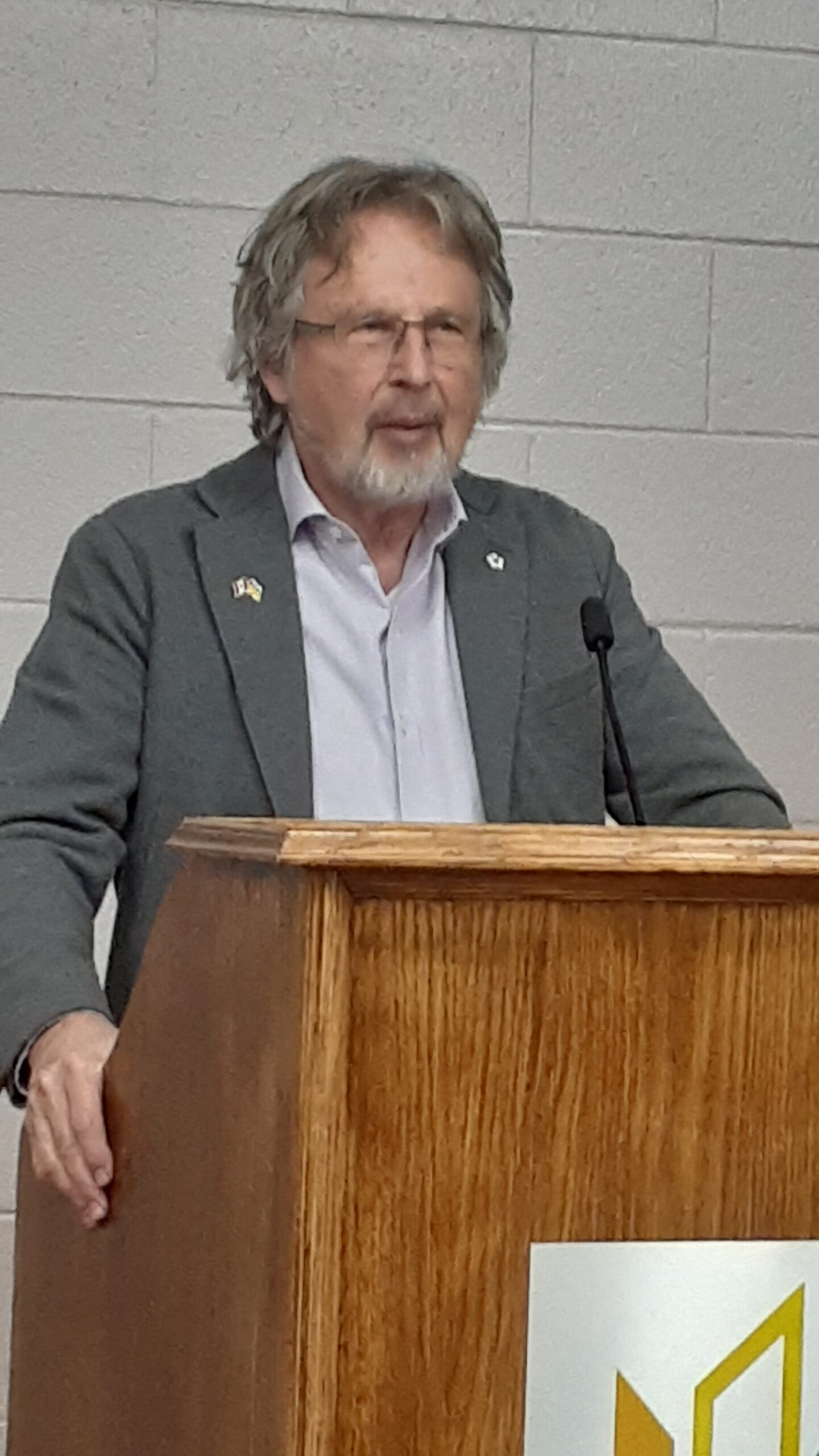
The Alberta government is reviewing what possibilities are available to create some special immigration program for Ukrainian refugees whose work permits are scheduled to expire, says Minister of Jobs, Economy, Trade and Immigration Joseph Schow.
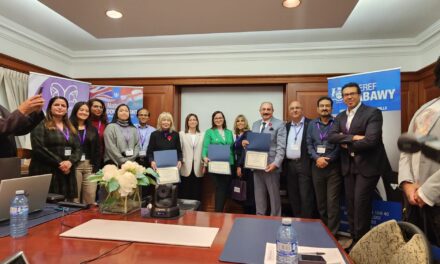
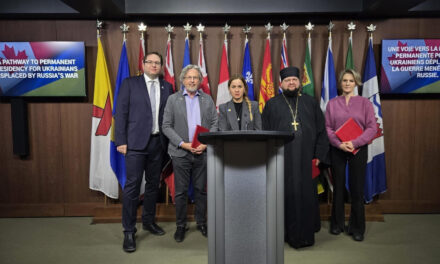
However there is “nothing that I would be able to speak to at the moment but I am aware of the concerns and I'll be able to follow up with you at some point in a later date,” he told Yulianna Voloshyna, Producer and Radio Host of Ukrainian program at 101.7 World FM at the Multicultural Media Roundtable, September 25.
Two weeks earlier at a Multicultural Media Roundtable with Alberta Premier Danielle Smith, Voloshyna asked whether there was any chance of creating a provisional immigration program for Ukrainian newcomers to obtain permanent residency as has been done in Manitoba. (See https://newpathway.ca/alberta-may-look-at-creating-a-provisional-immigration-program-for-ukrainian-refugees/)
“I am aware of the meeting that you had with the Premier and grateful that you got a chance to sit down with her and discuss some of the issues facing the Ukrainian community. Our government really does continue to support Ukrainian refugees and help them integrate well into our communities,: said Schow.
He went on to mention some of the programs the Alberta government has provided Ukrainian evacuees including:
- Access to healthcare, income and accommodation supports, employment and language supports and school enrollment;
- The Ukrainian Evacuee Support Program to help non-profit organizations deliver English language learning, employment supports and other emerging needs; and
- Two million dollars in grant funding allocated for 19 programs and projects that last one or two years.
“Nine projects including six focused on English language are currently active and will end in varying dates between now and March of next year and to date nearly 1400 Ukrainian evacuees have participated in English language programs funded under the Ukrainian Evacuee Support Program, he added.
NP-UN Western Bureau Chief Marco Levytsky asked the minister what will happen to evacuees, particularly pensioners, who may not have enough points to qualify for permanent residency due to age, lack of work, or lack of English.
“Will they have to return to Ukraine once their term is up even though some, especially those from the currently occupied regions of Ukraine, may not have a home to come to, or will some accommodation be made allowing them to stay in Canada on humanitarian grounds?” he queried
Schow said “I think it's a very important (question) at this time” but added that immigration is a shared jurisdiction with the federal government which has the final say.
“My job as the Minister of Immigration provincially is to make our needs and our expectations known to the federal government and try to support the communities that are here in Alberta. And one of those of course is the Ukrainian community and the evacuees who have settled here in Alberta,” he explained.
“But the feedback you've given me on this is helpful as I continue to engage with the federal minister on immigration so that they better understand the challenges that we are facing here in Alberta with the Ukrainian community and the concerns that they've voiced to me particularly just now,” he added.
When asked in a follow-up whether he approaching the federal government to make some adjustments on humanitarian grounds for these people Schow replied “it's a dynamic situation and one that we need to bring to their attention.”
“I don't think the federal government is fully aware of what Alberta is dealing with in immigration at large. But when it comes to Ukrainian evacuees, this is a very delicate situation that needs to be handled with the utmost amount of dignity and making sure that people are being taken care of,” he said.
Share on Social Media